KolBook Home

Category

Trends & Culture

20 articles

Why Mushoku Tensei Is the Isekai Series That Refuses to Let You Look Away

Why Mushoku Tensei Is the Isekai Series That Refuses to Let You Look Away

Mushoku Tensei didn't just redefine isekai — it kicked the door open for a whole new conversation about what fantasy storytelling can actually do. Whether you're deep in the light novels or just stumbled onto the anime, here's why this series has readers and watchers completely hooked.

Shelf on Display: The Quiet Power of What You're Reading in Public

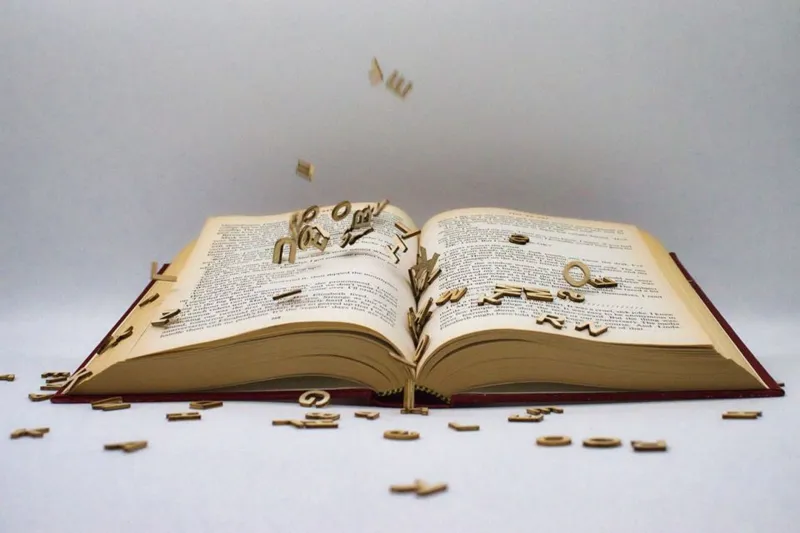
Shelf on Display: The Quiet Power of What You're Reading in Public

The book you crack open on the subway or at your corner coffee shop is doing more work than you think. In an era where everything is a signal, visible reading has become one of the most loaded — and most fascinating — forms of self-expression. So are you really just reading, or are you also performing?

We're Not Done Here: Inside the Fan Movement Pulling Authors Back to Finished Stories

We're Not Done Here: Inside the Fan Movement Pulling Authors Back to Finished Stories

What happens when readers fall so hard for a fictional world that they simply refuse to accept it's over? Across forums, social media, and petition sites, book communities are organizing to demand more — sequels, spin-offs, anything — from authors who thought they were done. It's messy, it's passionate, and it says something fascinating about how deeply we invest in the stories we love.

Forget the Dewey Decimal: Why Readers Are Shelving Books by Vibe Instead of Genre

Forget the Dewey Decimal: Why Readers Are Shelving Books by Vibe Instead of Genre

A quiet rebellion is happening on bookshelves across America — and it has nothing to do with alphabetical order. Readers are ditching genre labels in favor of emotional categories, and the results are as personal as a journal entry. Here's why mood-based organization is more than an aesthetic flex — it's a whole new way of knowing yourself as a reader.

First Impressions, Last Pages: How Swipe Culture Is Changing the Way We Pick Books

First Impressions, Last Pages: How Swipe Culture Is Changing the Way We Pick Books

Modern readers are treating book discovery less like a thoughtful ritual and more like a rapid-fire dating app session — judging covers, swiping past synopses, and committing (or not) in seconds. The algorithms behind our favorite platforms are quietly shaping literary taste in ways we're only beginning to understand. So what happens to deeper reading when the selection process moves at the speed of a scroll?

Cracking the Code: How Power Readers Are Hacking Goodreads to Find Books Nobody's Talking About

Cracking the Code: How Power Readers Are Hacking Goodreads to Find Books Nobody's Talking About

A growing crowd of savvy readers has figured out how to reverse-engineer Goodreads' recommendation engine — and the results are genuinely wild. Instead of waiting for the algorithm to hand them the next big bestseller, these users are gaming the system to surface indie titles and overlooked gems that most people will never stumble across. Here's how they're doing it, and what it says about where book discovery is actually headed.

Your Reading List Is a Brand Now — Whether You Planned It or Not

Your Reading List Is a Brand Now — Whether You Planned It or Not

Across Patreon pages, affiliate dashboards, and sponsored Instagram reels, a new kind of literary entrepreneur is quietly building a business out of something they used to do for free: recommending books. The question isn't whether readers can monetize their taste anymore — it's whether that taste survives the monetization.

Going Back to the Beginning: Why Young Readers Are Reaching for Old Favorites Over New Releases

Going Back to the Beginning: Why Young Readers Are Reaching for Old Favorites Over New Releases

In an era flooded with new book releases and algorithm-driven recommendations, a surprising counter-movement is gaining steam — readers in their 20s and 30s are quietly shelving the new stuff and returning to the books that shaped them. Call it nostalgia, call it a coping mechanism, or call it something more interesting: a deliberate reclaiming of comfort in a world that rarely offers it.